



Parasite
Antiparasitics are a class of medications which are indicated for the treatment of parasitic diseases such as nematodes, cestodes, trematodes, and infectious protozoa.
Parasite Isoform Specific Products
All Product Categories
-
Parasite Related Products (2504)
Related Products (2504)

-
Related Compound Screening Libraries (1)
-
Parasite Isoform Comparison
-
Fenbendazole-d3
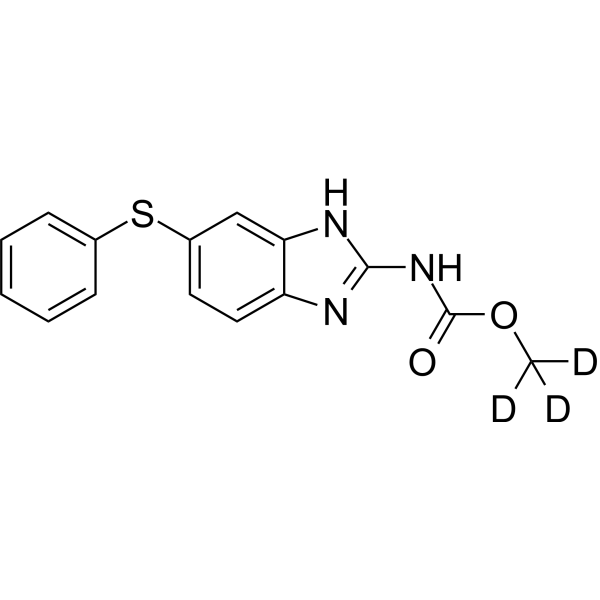 0 ImagesFenbendazole-d3 is a deuterium labeled Fenbendazole. Fenbendazole-d3 is a HIF-1α agonist and activates the HIF-1α-related GLUT1 pathway. Fenbendazole is an orally active benzimidazole anthelmintic agent, with a broad antiparasitic range. Fenbendazole is a microtubule destabilizing agent. Fenbendazole causes cell-cycle arrest and mitotic cell death, and has antitumor activity in mice xenografted with wild-type p53.
-
Thiabendazole
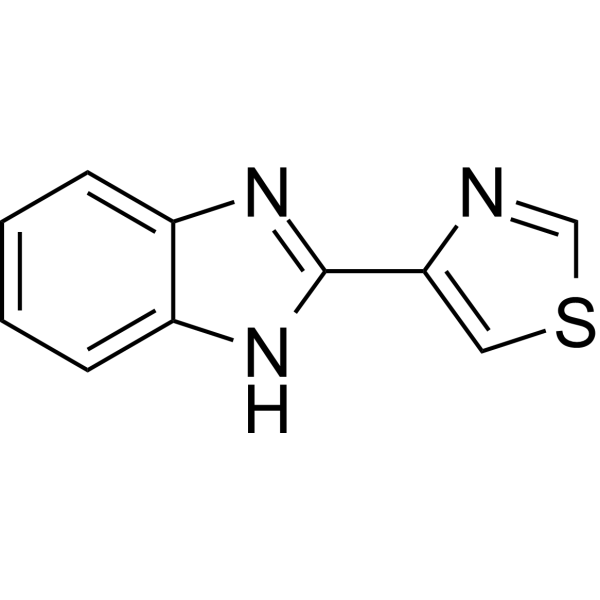 0 ImagesSynonyms: Tiabendazole; 2-(4-Thiazolyl)benzimidazoleThiabendazole is an orally available benzimidazole fungicide with repellent and anticancer activities. Thiabendazole can result in developmental malformations. Thiabendazole can be used for modeling.
-
Sulfadiazine
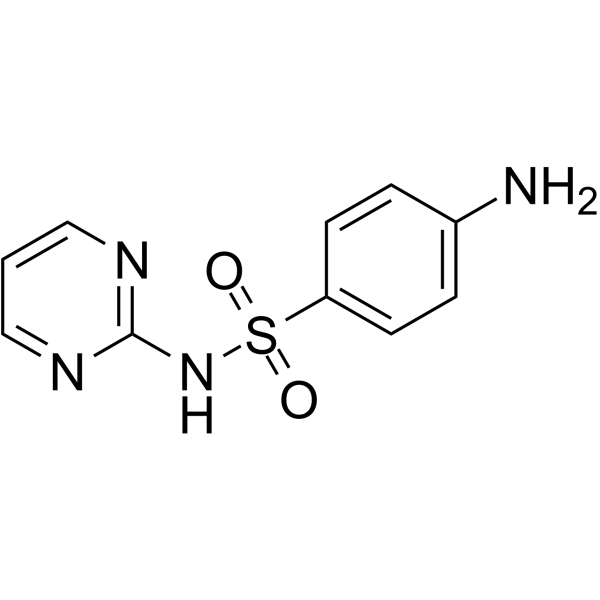 0 ImagesSulfadiazine is an orally active sulfonamide antibiotic. Sulfadiazine competitively inhibits p-aminobenzoic acid in the folic-acid-metabolism cycle, inhibiting multiplication of most Gram-positive and many Gram-negative bacteria. Sulfadiazine persists in soil long-term, and exerts selective pressure for sulfonamide-resistant microbial populations. Sulfadiazine targets Toxoplasma gondii DHPS enzyme. Sulfadiazine can be used for the research of congenital toxoplasmosis and bacterial infection.
-
Borrelidin
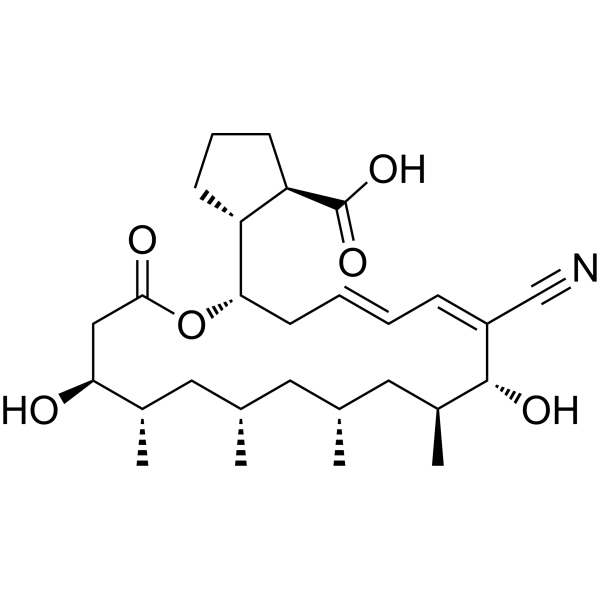 0 ImagesBorrelidin (Treponemycin) is a bacterial and eukaryal threonyl-tRNA synthetase inhibitor which is a nitrile-containing macrolide antibiotic isolated from Streptomyces rochei. Borrelidin is an inhibitor of Cdc28/Cln2 of the budding yeast, with an IC50 of 24 μM. Borrelidin is a potent angiogenesis inhibitor, with an IC50 of 0.8 nM. Borrelidin induces apoptosis in the tube-forming cells. Borrelidin has strong antimalarial activities, with IC50s of 1.9 nM and 1.8 nM against K1 and FCR3 strains of Plasmodium falciparum, respectively.
-
Quercetin-3-O-β-D-glucose-7-O-β-D-gentiobiosiden
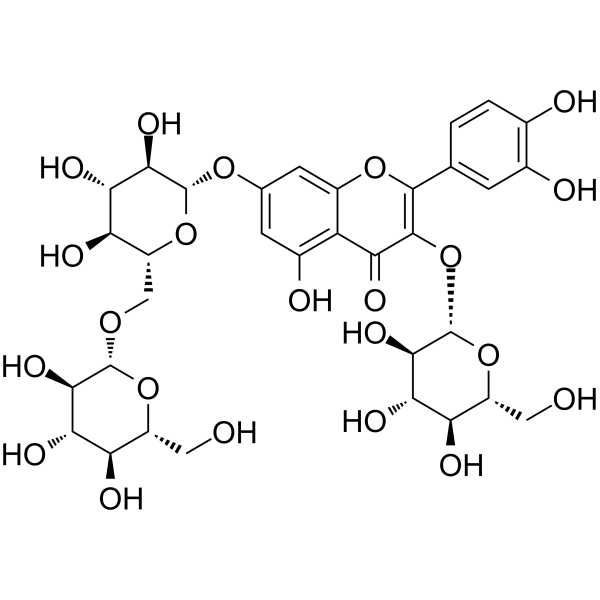 0 ImagesSynonyms: Quercetin-3-O-beta-D-glucose-7-O-beta-D-gentiobiosideQuercetin-3-O-β-D-glucose-7-O-β-D-gentiobiosiden (Quercetin-3-O-beta-D-glucose-7-O-beta-D-gentiobioside) is a flavonoid compound. In Cylas formicarius, Quercetin-3-O-β-D-glucose-7-O-β-D-gentiobioside can bind to chemosensory proteins such as CforCSP5 (Ki: 1.429 μM) and CforOBP3 (Ki: 3.697 μM), potentially participating in the recognition process of insect host plant volatiles. Quercetin-3-O-β-D-glucose-7-O-β-D-gentiobiosiden is also an inhibitor of Sb28GST (IC50: 0.13 mM) and can be used in the research of anti-schistosome agents.
-
Chloroquine dihydrochloride
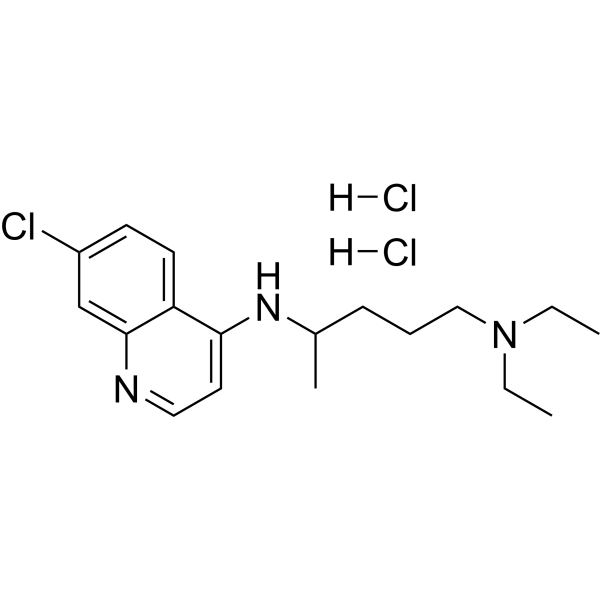 0 ImagesChloroquine dihydrochloride is an antimalarial and anti-inflammatory agent widely used to treat malaria and rheumatoid arthritis. Chloroquine dihydrochloride is an autophagy and toll-like receptors (TLRs) inhibitor. Chloroquine dihydrochloride is highly effective in the control of SARS-CoV-2 (COVID-19) infection in vitro (EC50=1.13 μM).
-
2,6-Dibromophenol
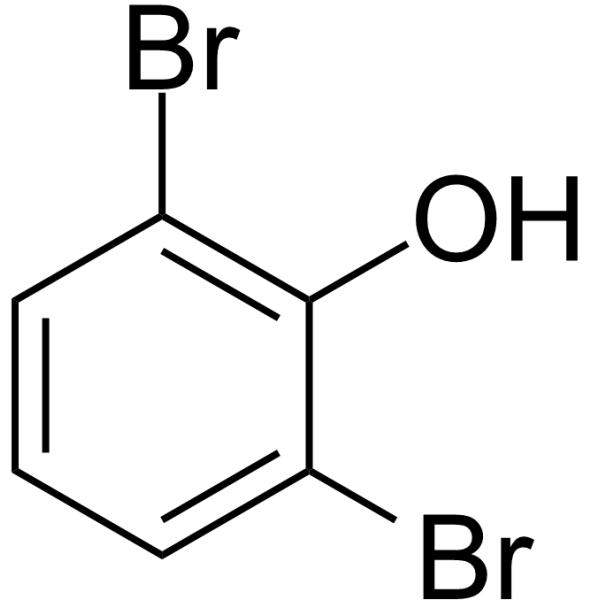 0 Images2,6-Dibromophenol (2,6-DBP) is a weak inhibitor targeting voltage-gated Ca2+ channels. 2,6-Dibromophenol has no significant effect on potassium-induced calcium elevation in PC12 cells. 2,6-Dibromophenol shows a 48 h EC50 of 2.78 mg/L for Daphnia magna and a 96 h EC50 of 9.90 mg/L for algae (Scenedesmus quadricauda).
-
Furamidine dihydrochloride
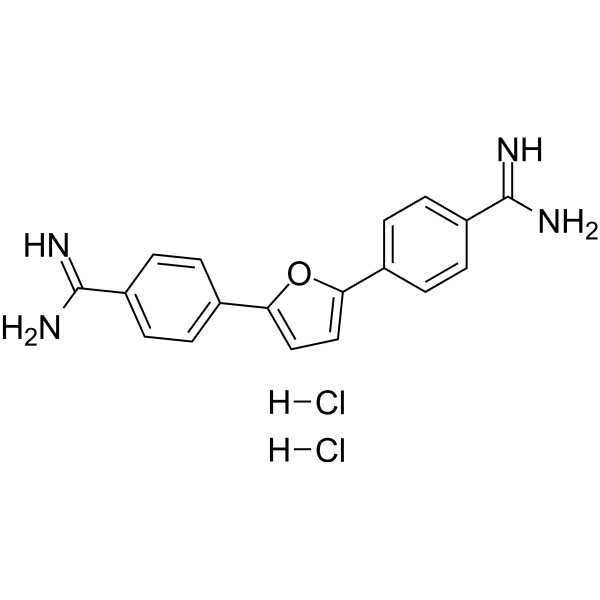 0 ImagesSynonyms: DB75 dihydrochloride; NSC 305831 dihydrochlorideFuramidine dihydrochloride (DB75 dihydrochloride) is a selective protein arginine methyltransferase 1 (PRMT1) inhibitor with an IC50 of 9.4 μM. Furamidine dihydrochloride is selective for PRMT1 over PRMT5, PRMT6, and PRMT4 (CARM1) (IC50s of 166 µM, 283 µM, and >400 µM, respectively). Furamidine dihydrochloride is a potent, reversible and competitive tyrosyl-DNA phosphodiesterase 1 (TDP-1) inhibitor. Inhibition of TDP-1 by Furamidine dihydrochloride is effective both with single- and double-stranded DNA substrates but is slightly stronger with the duplex DNA. Furamidine dihydrochloride is also an antiparasite agent.
-
Quinine hydrochloride dihydrate
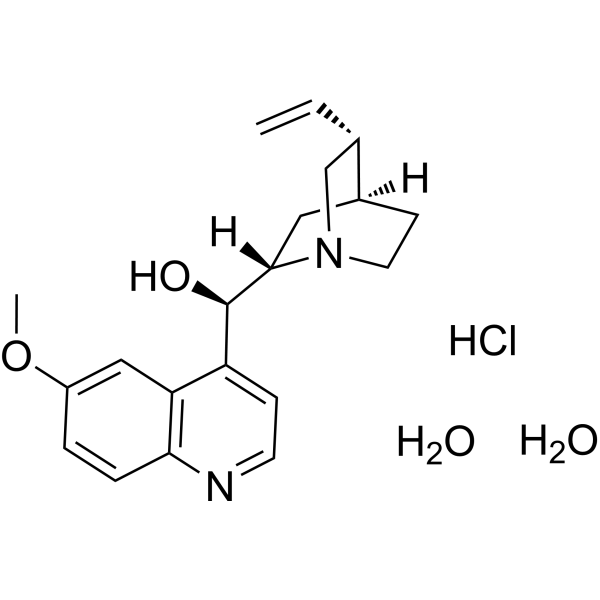 0 ImagesQuinine hydrochloride dihydrate (Qualaquin) is an orally active and can be used in anti-malarial studies. Quinine hydrochloride dihydrate is a potassium channel inhibitor that inhibits WT mouse Slo3 (KCa5.1) channel currents evoked by voltage pulses to +100 mV with an IC50 of 169 μM.
-
Closantel
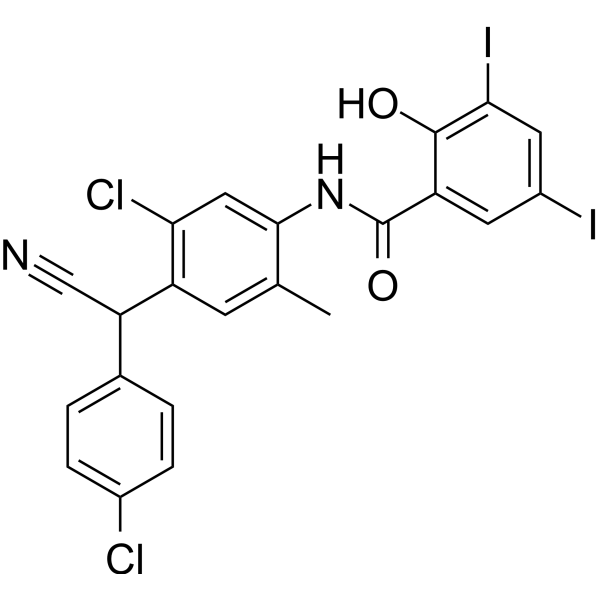 0 ImagesClosantel is a halogenated salicylanilide with a potent anti-parasitic activity. Closantel is a potent and highly specific Onchocerca volvulus chitinase (OvCHT1) inhibitor with an IC50 of 1.6 μM and a Ki of 468 nM. Closantel inhibits the O. volvulus L3 to L4 molt of developing.
-
Triclabendazole
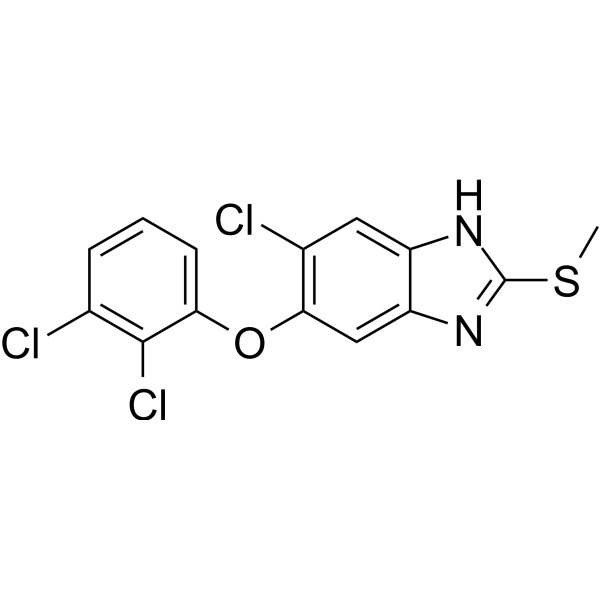 0 ImagesSynonyms: CGA89317Triclabendazole is an orally active parasite inhibitor. Triclabendazole has anti-Leishmania activity and induces gasdermin E (GSDME)-dependent pyroptosis by caspase-3 activation. Triclabendazole can be used for the research of fasciola hepatica.
-
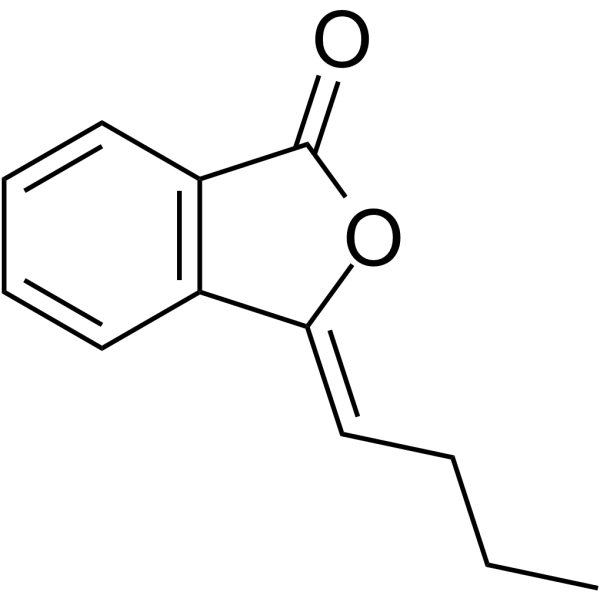
Emodepside
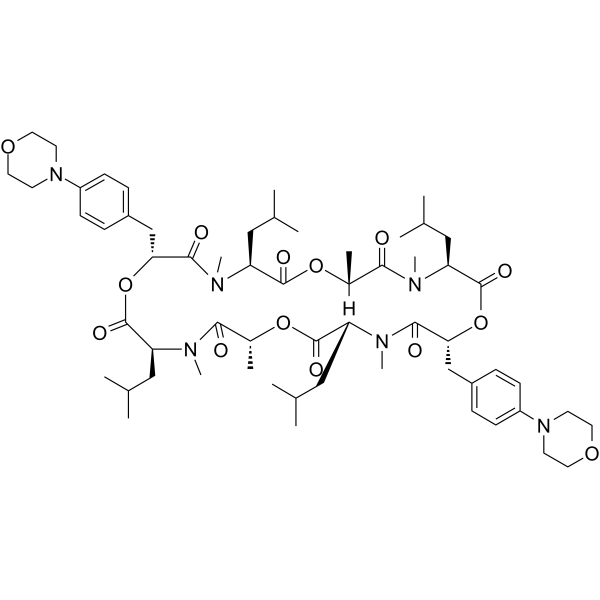 0 ImagesSynonyms: Bay 44-4400Emodepside (PF 1022-221) is a cyclooctadepsipeptide with broad-spectrum anthelmintic activity.
-
5-Fluoroorotic acid monohydrate
 0 ImagesSynonyms: 5-Fluorouracil-6-carboxylic acid Monohydrate; 5-FOA; 5-fluoro OA5-Fluoroorotic acid monohydrate is the monohydrate salt form of 5-Fluoroorotic acid (HY-W016819). 5-Fluoroorotic acid monohydrate is the inhibitor for thymidylate synthase that acts as a selective agent in yeast molecular genetics. 5-Fluoroorotic acid monohydrate exhibits antimalarial activity.
-
5-Fluoroorotic acid
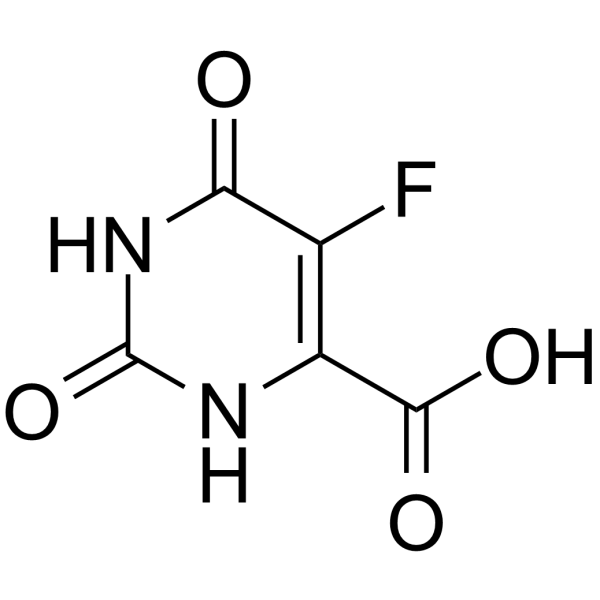 0 Images5-Fluoroorotic acid is the inhibitor for thymidylate synthase that acts as a selective agent in yeast molecular genetics. 5-Fluoroorotic acid exhibits antimalarial activity.
-
2,3-Diphosphoglyceric acid pentasodium
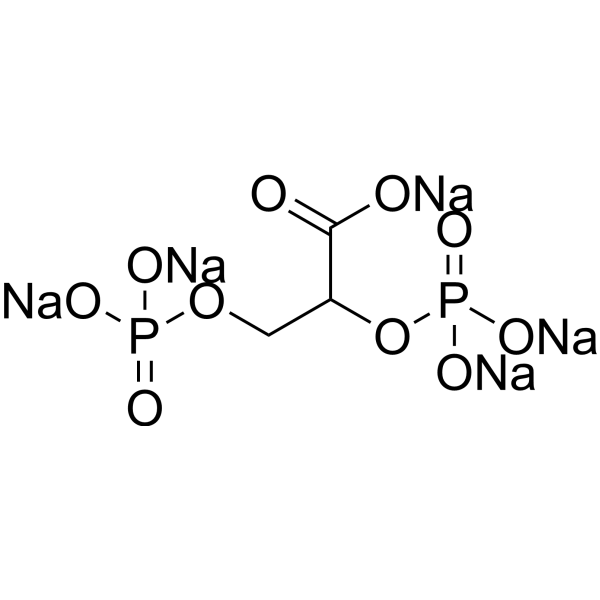 0 ImagesSynonyms: 2,3-DPG pentasodium2,3-Diphosphoglyceric acid (2,3-DPG) pentasodium is an intermediate of the glycolytic pathway. 2,3-Diphosphoglyceric acid pentasodium stabilizes the deoxygenated form of hemoglobin by allosteric binding and facilitates oxygen release at tissue sites. 2,3-Diphosphoglyceric acid pentasodium binds to hemoglobin and decrease its affinity for oxygen.
-
Flubendazole
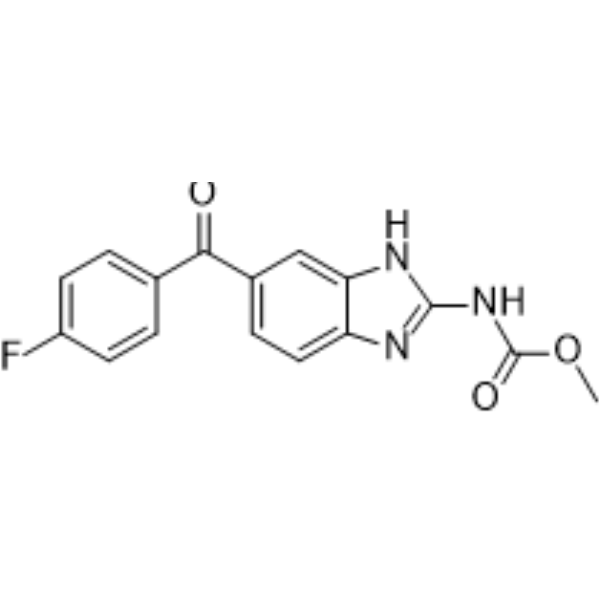 0 ImagesFlubendazole is an anthelmintic drug based on altering microtubule structure, inhibition of tubulin polymerization and disruption of microtubule function. Flubendazole induces apoptosis in human colorectal cancer (CRC) by blocking the STAT3 signaling axis and activation of autophagy. Flubendazole induces P53 expression and reduced Cyclin B1 and p-cdc2 expression. Flubendazole is an antitumor agent. Flubendazole can be used for worm and intestinal parasites.
-
Acridine Orange base
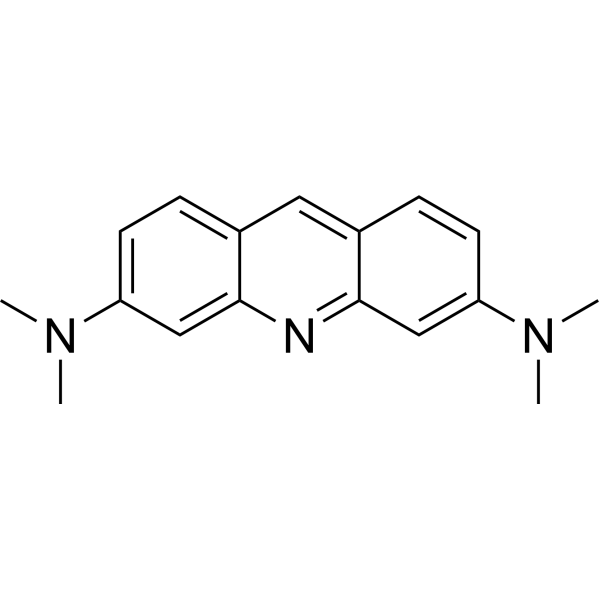 0 ImagesAcridine Orange base is a cell-permeable fluorescent dye that stains organisms (bacteria, parasites, viruses, etc.) bright orange and, when used under appropriate conditions (pH=3.5, Ex=460 nm), distinguishes human cells in green for detection by fluorescence microscopy. Acridine Orange base fluoresces green when bound to dsDNA (Ex=488, Em=520-524) and red when bound to ssDNA (Ex=457, Em=630-644) or ssRNA (Ex=457, Em=630-644), also can be used in cell cycle assays.
-
Milbemycin oxime
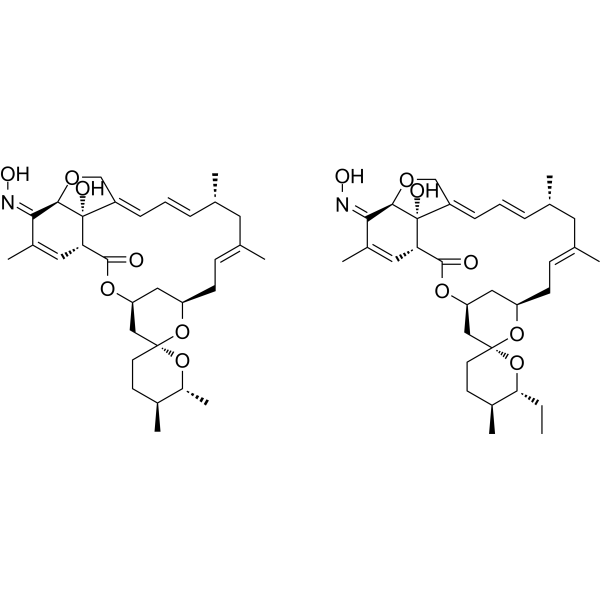 0 ImagesMilbemycin oxime is an orally active macrolide with broad-spectrum antiparasitic activity. Milbemycin oxime is a mixture of oximes consisting of oxime derivatives corresponding to milbemycin A4 and A3. Milbemycin oxime binds to glutamate-gated chloride channels and has inhibitory potency against intestinal nematodes and lung/heart worms.



